Tidying your couch may seem as a simple job, yet many DIYers come across challenges possibly causing costly errors. Due to multiple upholstery cleaning options out there, it's essential to know the guidelines of sofa cleaning to preserve your furniture's integrity and look. Whether you have a fabric sofa or a leather settee, some understanding can save you from possible problems which could ruin your cherished seating.
Though appealing as it may be to dive into the sofa cleaning routine armed with a bottle of cleaner and some used towels, taking a moment to reflect can assist you avoid common mistakes. From selecting the inappropriate sofa cleaner to faulty steam cleaning techniques, these mistakes can result in discolored fabric, damaged materials, or even a need for expert help. By staying aware of the cleaning approach you use, you can guarantee your couch stays a cozy and elegant part of the home for a long time to come.
Frequent Do-It-Yourself Couch Wash Errors
A very frequent errors in DIY sofa cleaning is using too much water. Many people assume that the greater water they use, the better their sofa will be. However, using too much water can lead to stains, mold growth, and potentially damage the upholstery fabric. It is crucial to use moisture sparingly, especially with material and leather, to avoid compromising the material's integrity.
Another common mistake is not testing a solution before applying it to the entire sofa. Every fabric responds in various ways to various cleaning agents, and what works on a particular fabric may ruin another. Always conduct a test in an hidden area to ensure that the solution does not cause color change or damage. This step is crucial, especially when dealing with delicate fabrics or a leather sofa that requires specific care.
Finally, neglecting to adequately research the appropriate sofa cleaning method can result in unsatisfactory outcomes. Some fabrics may need particular cleaning techniques, while others require specific products. For instance, using a steam cleaning method on a fabric that is not steam-friendly can cause contraction or distortion. Knowing the right approach for the material type will help maintain a tidy sofa without causing harm.
Grasping Diverse Sofa Materials
When cleaning a sofa, the material plays a vital role in determining the correct cleaning method. Upholstery can vary widely, spanning materials like cotton to more high-end options like suede and microfiber. Each material has its unique characteristics and cleaning requirements. Realizing these variations is essential for choosing the proper sofa cleaner to avoid damaging your furniture.
Leather sofas, for instance, demand extra care. clean sofa service can look beautiful and last for a long time, but using the inappropriate cleaning products can lead to irreversible damage. It's crucial to use a leather sofa cleaner that treats the leather while successfully removing stains. Regular maintenance, including treating, helps keep the leather soft and prevents damage.
Textile sofas, on the flip side, often demand different approaches. Clean fabric sofas can be cozy and pleasant, but they also absorb spills and odors. Fabric sofa cleaning typically involves either targeted cleaning for stains or a more thorough clean using deep cleaning methods. Knowing the exact fabric type is important, as some fabrics can contract or lose color if exposed to excessive moisture or strong chemicals.
Powerful DIY Cleaning Techniques
One of the simplest and most effective methods for cleaning up your sofa is to use a appropriate upholstery cleaner. Before using any cleaning solution, always test it on a small, hidden area to confirm that it will not harm the fabric. When you have ensured it is safe, apply the cleaner using a microfiber cloth, softly blotting stains rather than rubbing them, which can extend the stain or ruin the fabric. For fabric sofas, consider using a specific fabric sofa cleaning solution to guarantee the best results.
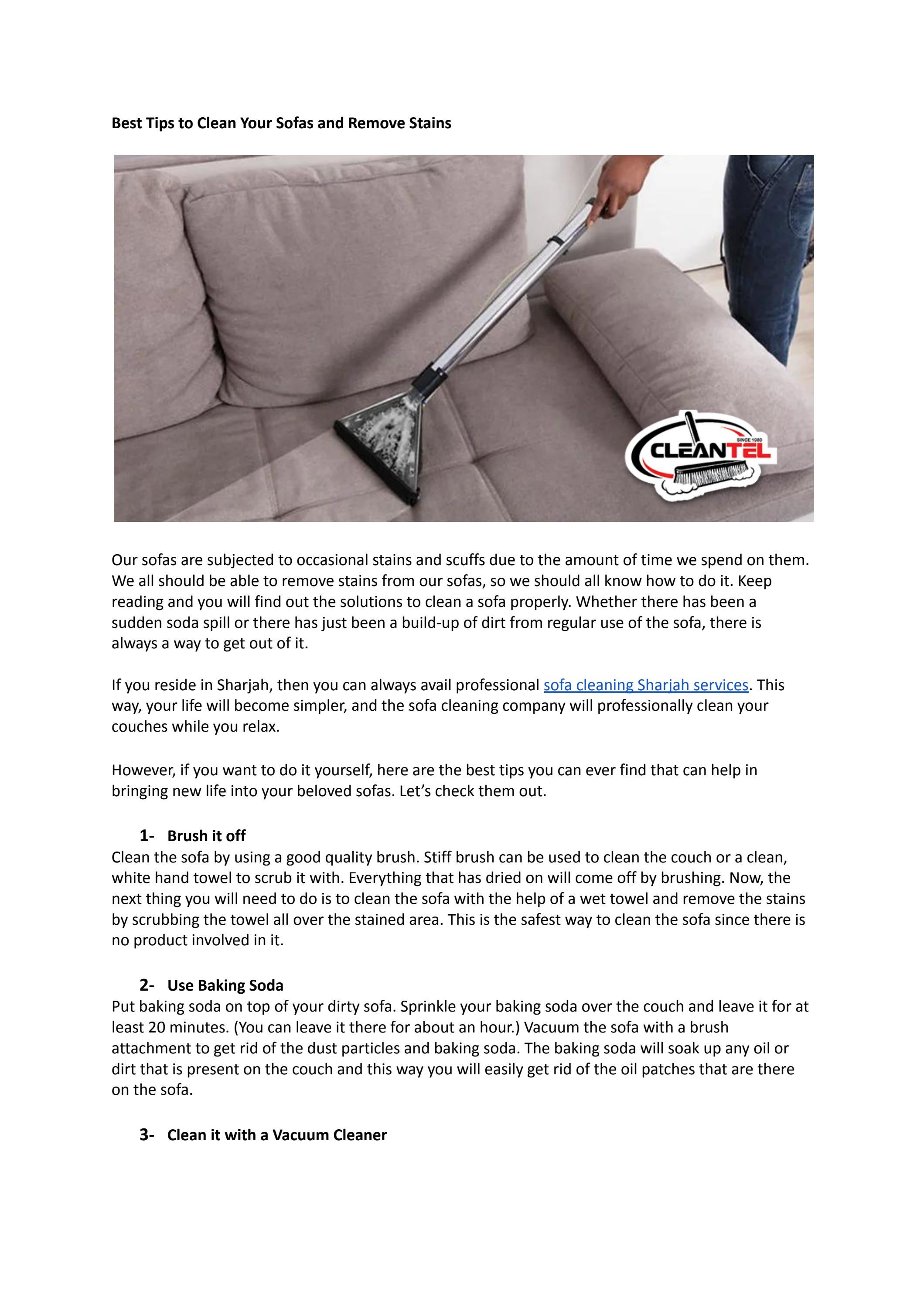
For deeper cleaning, steam cleaning can be an outstanding option. Steam cleaning efficiently disinfects the upholstery and can remove stubborn stains and allergens. Obtaining a steam cleaner or employing a professional sofa cleaner can provide a thorough cleaning, especially for fabric sofas that may hold dust and dirt. Always check the manufacturer’s advice for your specific type of sofa to verify that steam cleaning is an appropriate method.
When dealing with spot stains, swift action is essential. Blot the stain as soon as it occurs to absorb surplus liquid, then use a gentle solution of dish soap and water for treatment. Avoid harsh chemicals, as they can cause discoloration or ruin. For leather sofas, a dedicated leather sofa cleaner is recommended, as it not only cleans but also nourishes the material. After cleaning, allow your sofa to dry to maintain its shape and texture.
When to Call a Professional
Sometimes, DIY sofa cleaning can result in unintended consequences, such as discoloration or harm to the material or leather. If you observe that your attempts to clean a spot or stain have exacerbated the issue, it is a strong indication that you should consult a professional sofa cleaner. Professionals have the tools and expertise to handle various fabrics and materials, ensuring your furniture stays in the best condition possible.
Another situation where it is wise to seek out a sofa cleaning service is when dealing with lingering smells or deeply embedded stains. If your efforts to clean the sofa have not succeeded in eliminating these issues, a professional can use advanced techniques, such as steam cleaning, to effectively restore your sofa to its original state. Their specialized equipment and cleaning products can delve deeper into the upholstery, addressing problems that DIY methods may not resolve.
Finally, if your sofa is made from delicate materials, such as silk or premium leather, it's best to leave cleaning to the experts. DIY cleaning methods can be dangerous and may result in damage that is costly to repair. By hiring a professional, you can make sure that your valuable furniture is treated with the care it deserves, giving you peace of mind and preserving your investment for the long term.